The intriguing journey of casinos through history
The Origins of Gambling
The history of gambling can be traced back to ancient civilizations, where it often served as a form of entertainment and a way to engage with fate. The earliest evidence of games of chance dates back to around 3000 BC in Mesopotamia, where dice made from animal bones were discovered. These rudimentary forms of gambling laid the foundation for what would evolve into the modern casino experience. Similarly, ancient Chinese, Greek, and Roman societies participated in various betting activities, indicating that gambling has long been interwoven with human culture. Many countries now offer digital options for those interested in secure and efficient gaming, such as neosurf casino instant withdrawal australia, ensuring a convenient experience for players.

As societies developed, so did the complexity of gambling games. In ancient Rome, for example, people would wager on chariot races and gladiatorial contests. The use of games and betting as a form of social interaction fostered community ties. Not only did these activities provide entertainment, but they also served as a means of economic exchange, setting the stage for the more organized gambling establishments we see today.
Throughout history, gambling has been subject to fluctuating cultural perceptions. While some societies embraced these activities as a rite of passage or a form of spiritual engagement, others viewed them with suspicion or outright condemnation. This tension between acceptance and prohibition has played a significant role in the evolution of gambling laws and establishments over the centuries.
The Emergence of Formal Casinos
The modern concept of casinos began to take shape in the 17th century in Italy, with the establishment of the first official gambling houses known as “ridotti.” These venues offered an array of games and were often exclusive, catering to the aristocracy. The idea of the casino as a dedicated space for gambling expanded throughout Europe, with cities like Venice becoming synonymous with gambling culture.
The 18th and 19th centuries saw the birth of more sophisticated gambling establishments. The Casino de Spa in Belgium, founded in 1763, is often considered the first true casino, offering a wide variety of games and entertainment. This period marked a shift toward the commercialization of gambling, as more people sought out these venues for leisure and socialization. The allure of casinos began to draw in not just the wealthy elite, but also the growing middle class, making gambling a popular pastime.
As gambling gained momentum, various governments recognized the potential for tax revenue and economic benefits. This led to the regulation of casinos, particularly in France, where the state began to oversee gaming operations to ensure fairness and protect players. These early regulatory frameworks laid the groundwork for the modern regulatory systems we see in the gambling industry today.
The Rise of American Casinos
The landscape of casinos underwent a dramatic transformation in the United States during the 20th century. Initially, gambling was widespread in the Wild West, where makeshift establishments operated in saloons. However, it wasn’t until the 1930s that states began to legalize gambling to combat the Great Depression. The first legal casino in America opened in Atlantic City, New Jersey, in 1976, signaling a new era in the gaming industry.
Las Vegas emerged as the heart of the American casino industry in the mid-20th century. With lavish hotels and extravagant shows, Las Vegas became synonymous with gambling and entertainment. The introduction of resort-style casinos attracted millions of visitors, making the city a global gambling destination. The infamous Strip, lined with opulent casinos, became a symbol of excess and excitement, while also serving as a hub for innovative gaming technologies and marketing strategies.
In recent decades, the legalization of gambling has expanded beyond Las Vegas and Atlantic City, with numerous states establishing their own casino regulations. Native American tribes also entered the casino market, leading to a proliferation of gaming establishments across the country. This expansion has created a diverse landscape of casinos that cater to a wide range of players, from casual gamblers to high rollers.
The Digital Revolution and Online Gambling
The late 20th and early 21st centuries marked a significant shift in the gambling industry with the rise of the internet. Online gambling began to flourish in the mid-1990s, with the launch of the first online casinos. This new platform offered players unprecedented convenience, allowing them to gamble from the comfort of their homes. The initial hesitance surrounding online gambling was gradually alleviated by advancements in technology and regulatory frameworks.
With secure payment options and engaging game designs, online casinos quickly gained traction. The introduction of live dealer games further bridged the gap between traditional and online gambling, offering players an immersive experience. This digital evolution has not only democratized access to gambling but has also led to the development of various innovative game formats and betting options, appealing to a broader audience.
As the online gambling market continues to grow, concerns about responsible gaming and regulation remain paramount. Governments worldwide are grappling with how to effectively oversee this rapidly evolving sector. The need for robust consumer protection and fair play mechanisms is more critical than ever, as the industry faces the challenge of balancing innovation with regulation to ensure player safety.
Exploring Modern Gambling Platforms
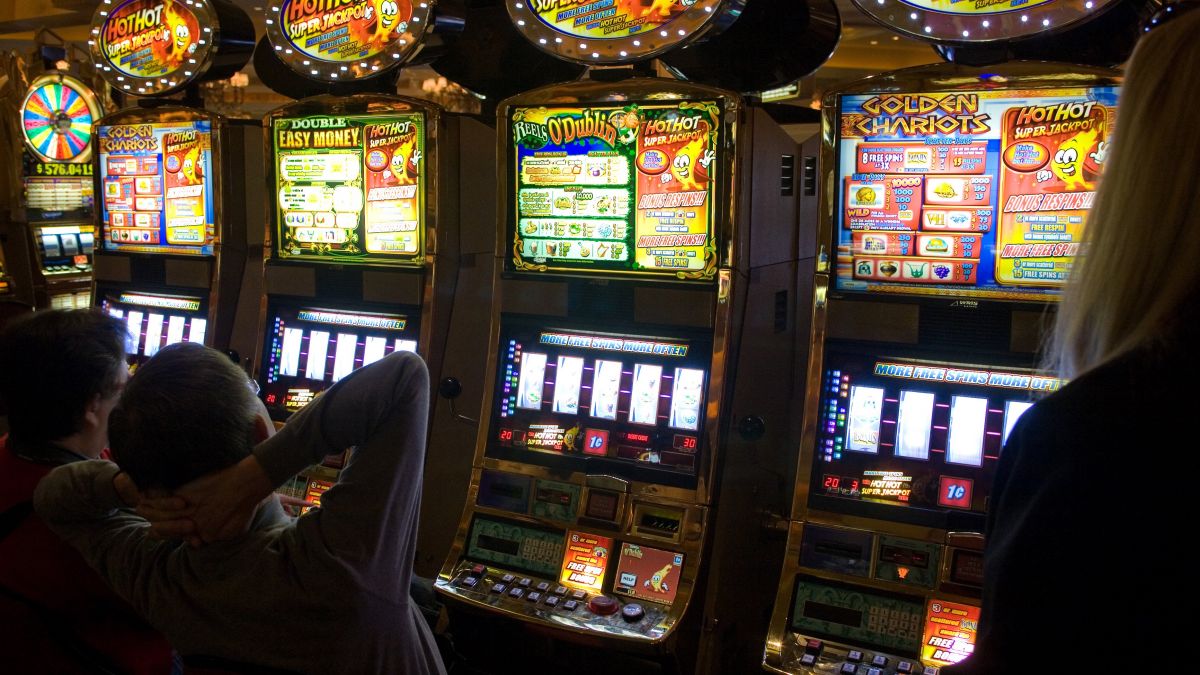
Today, the landscape of casinos is more diverse than ever, encompassing a wide array of gaming platforms, from traditional brick-and-mortar casinos to online gambling sites. Players now have access to a multitude of options, each offering unique experiences tailored to different preferences. Innovative technologies like virtual reality and mobile gaming have further revolutionized the way people engage with gambling, making it more accessible and engaging.
As players seek greater convenience and enhanced privacy, platforms that offer straightforward deposit methods and user-friendly experiences have become increasingly popular. Websites focused on secure transactions and instant withdrawals are now at the forefront of the industry, catering to an audience that values both safety and efficiency. This shift toward online gambling has prompted traditional casinos to adapt by incorporating digital elements into their offerings.
In the ever-evolving world of gaming, it is essential for players to make informed choices. Resources that provide expert insights and comparisons of various gaming platforms are invaluable. They empower players to select casinos that align with their preferences, ensuring an engaging and responsible gaming experience. As the industry continues to transform, staying informed about trends and regulations will be crucial for anyone involved in the world of gambling.
Leave a Reply